
Time/Traveller: Bacteria Bruxa SUMMARY
By Jason Clarke
RTA 933 – Hacking, DIY and Open Source Studio
By Shaina Agbayani (Sha Sambong)
This article is about memory, resilience, culture, and regeneration. As the title suggests, the author can conjure the past and travel through time as the “Bacteria Bruxa,” which is Portuguese and means Bacteria “Witch or Hag.” Makes sense. Agbayani, as a Philipinx person, has a chronic illness (auto-immune disorder) and uses bacteria as a mechanism to power the queer Bruxa. Her community is capable of overcoming colonialism and is resilient. Just like the bacteria that ward off invaders or other forms of colonizing bacteria that would harm the original colony or community, and ancestral connections through memory of past fermented foods or medicines, which are linked to ancient traditions and indigenous practices. The link to roots within that culture dominates colonialism and linear thought processes.
QUEER TIME
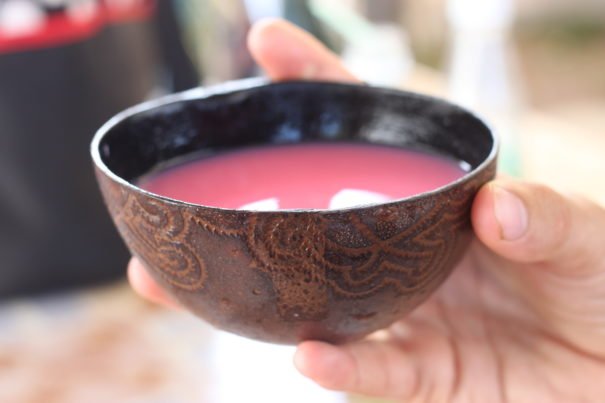
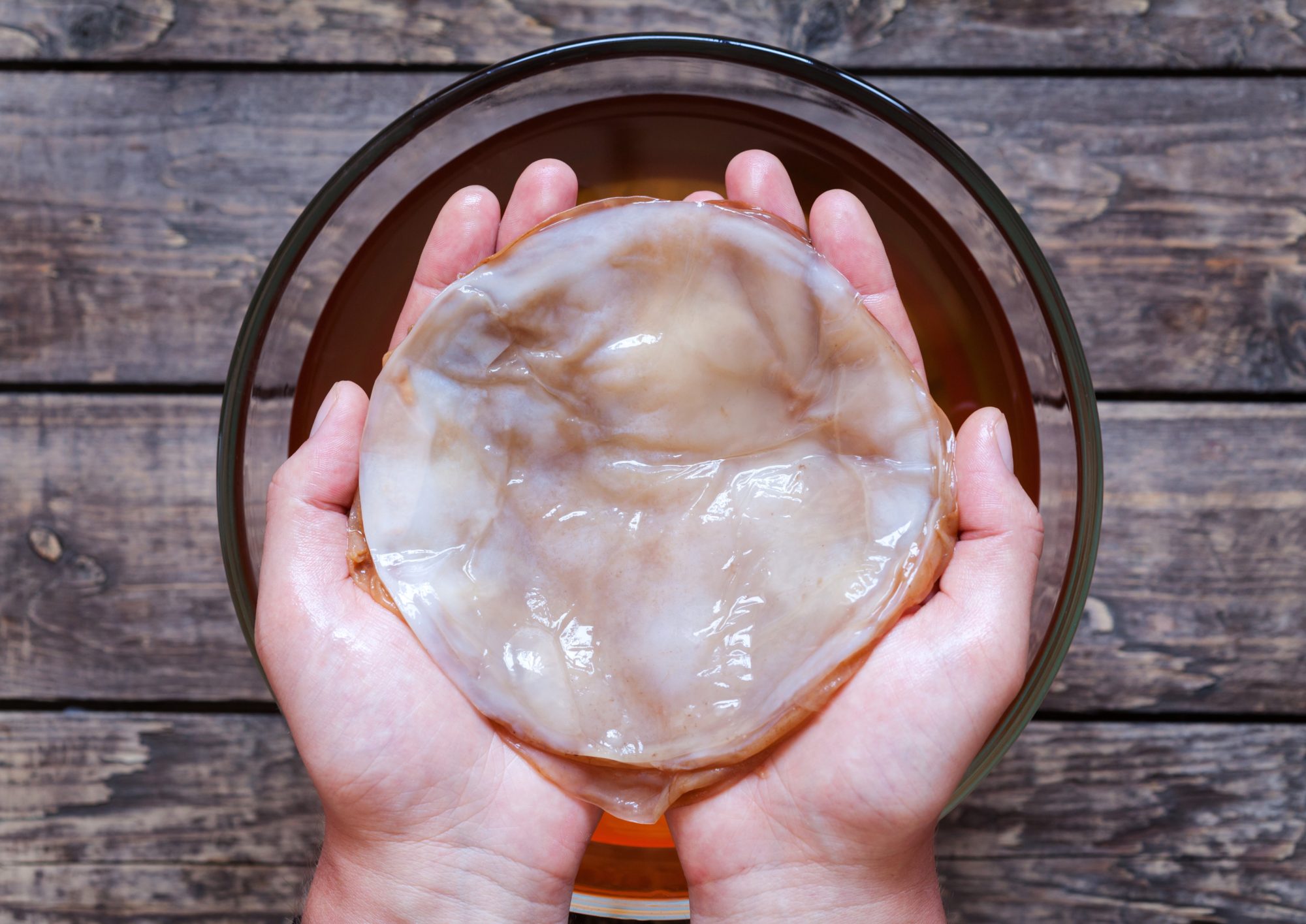
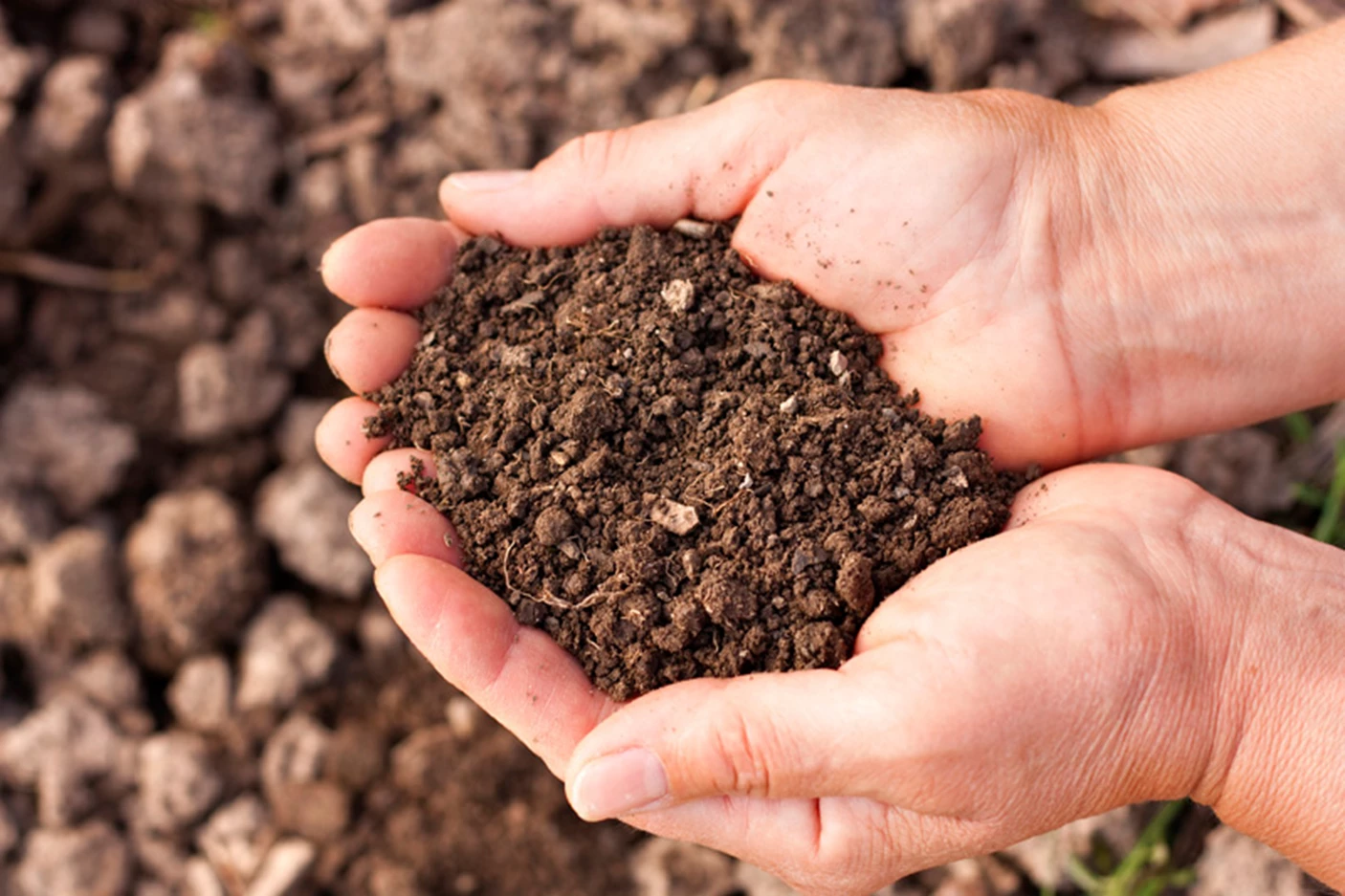
As Shaina puts it, “As an often non-linear, non-straightforward process, fermentation functions in what we can call queer time.” In “Ang Puto Ni Mama,” queer has the regenerative and non-linear identity of a powerful Bruxa. The purpose of the nonlinear fermentation process is to heal and allow memories of one’s ancestors to revive their inner spirit. One heals and remembers by eating a soil-based probiotic, overcoming the probiotic industrial complex, overcoming colonial, capitalist, hetero-patriarchal extractivism, and reclaiming indigenous knowledge, land, and space. In so doing, the process has a resilient and regenerative power. A power that revives an inner spirit.
SIGNS OF LIFE
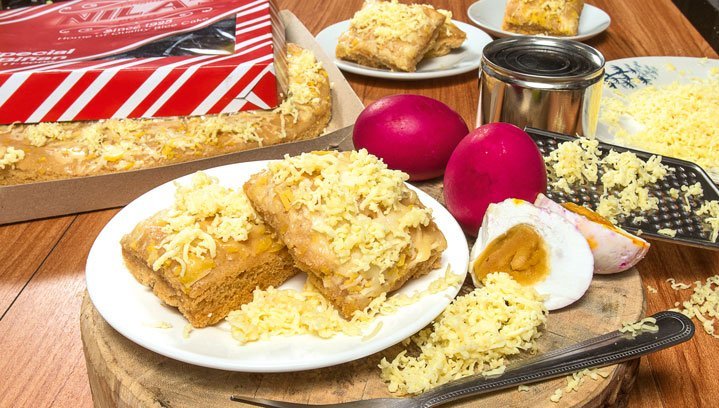
“Puto Binan,” a particularly cakey, round style of puto—traditionally a fermented rice cake—takes its name from the town of Binan, Laguna. In the article, time and space are connected through each bite, as the microbiotic vitality is passed on from generation to generation. The land, identity, and memories are linked to signs of life around us, and Shaina’s life is no exception. In my home, I see many such things. I have wine, yeast, and cassreep-a thick, black, cassava-root-based liquid created by an indigenous tribe called the Amerindians of Guyana. Here, the culture has made a poisonous shrub into a crucial part of Guyanese cuisine. Cassareep is used as a flavourful sauce to make pepper pot. Cassava can also be fermented into a fizzy drink (kasiri). Finally, it is used to make unleavened bread, cassava bread.


More on fermentation

UPCOMMING JOURNALS…
Podcast


 ZOA
ZOA 