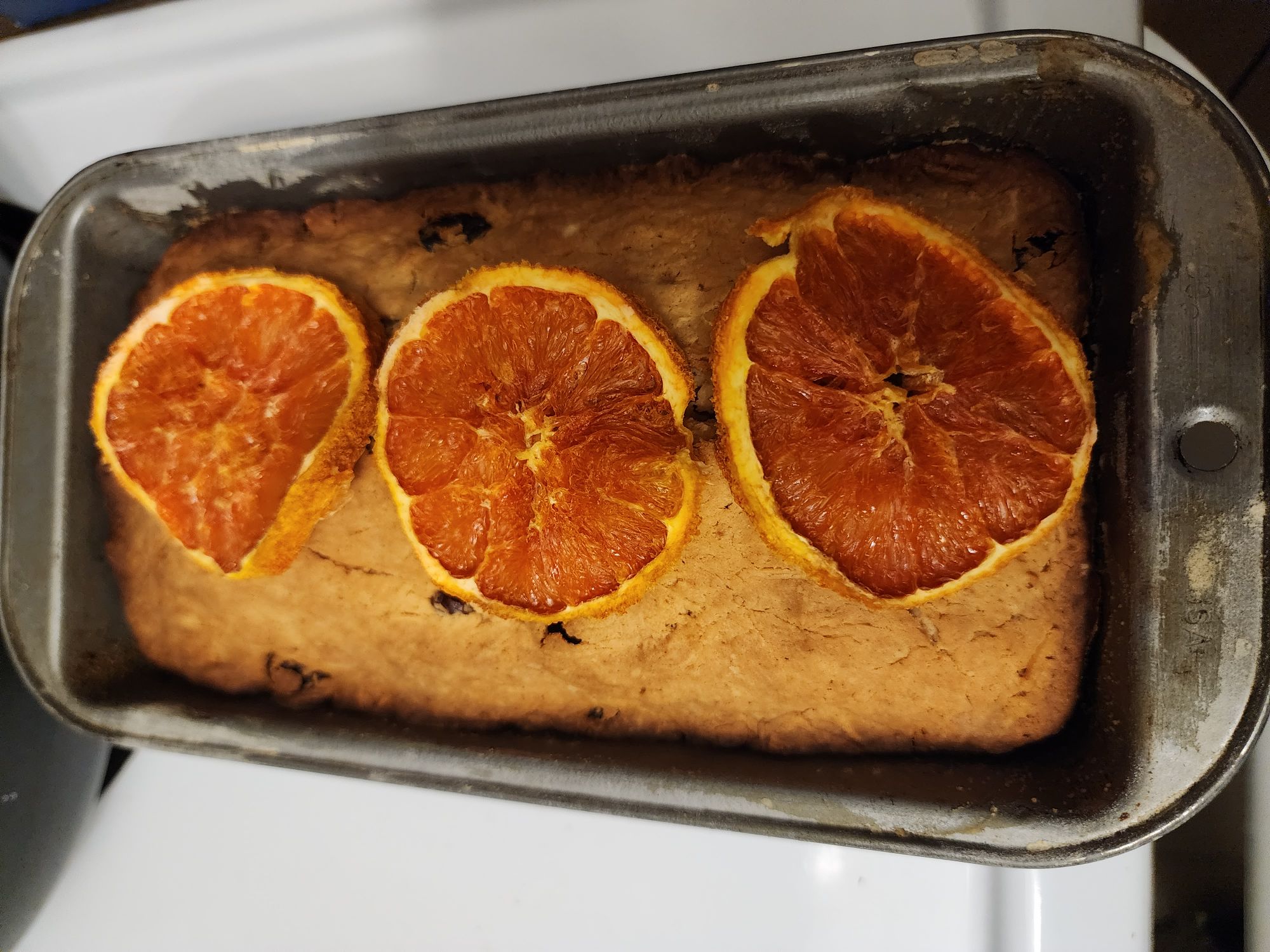
preheat the oven to 350 degrees F
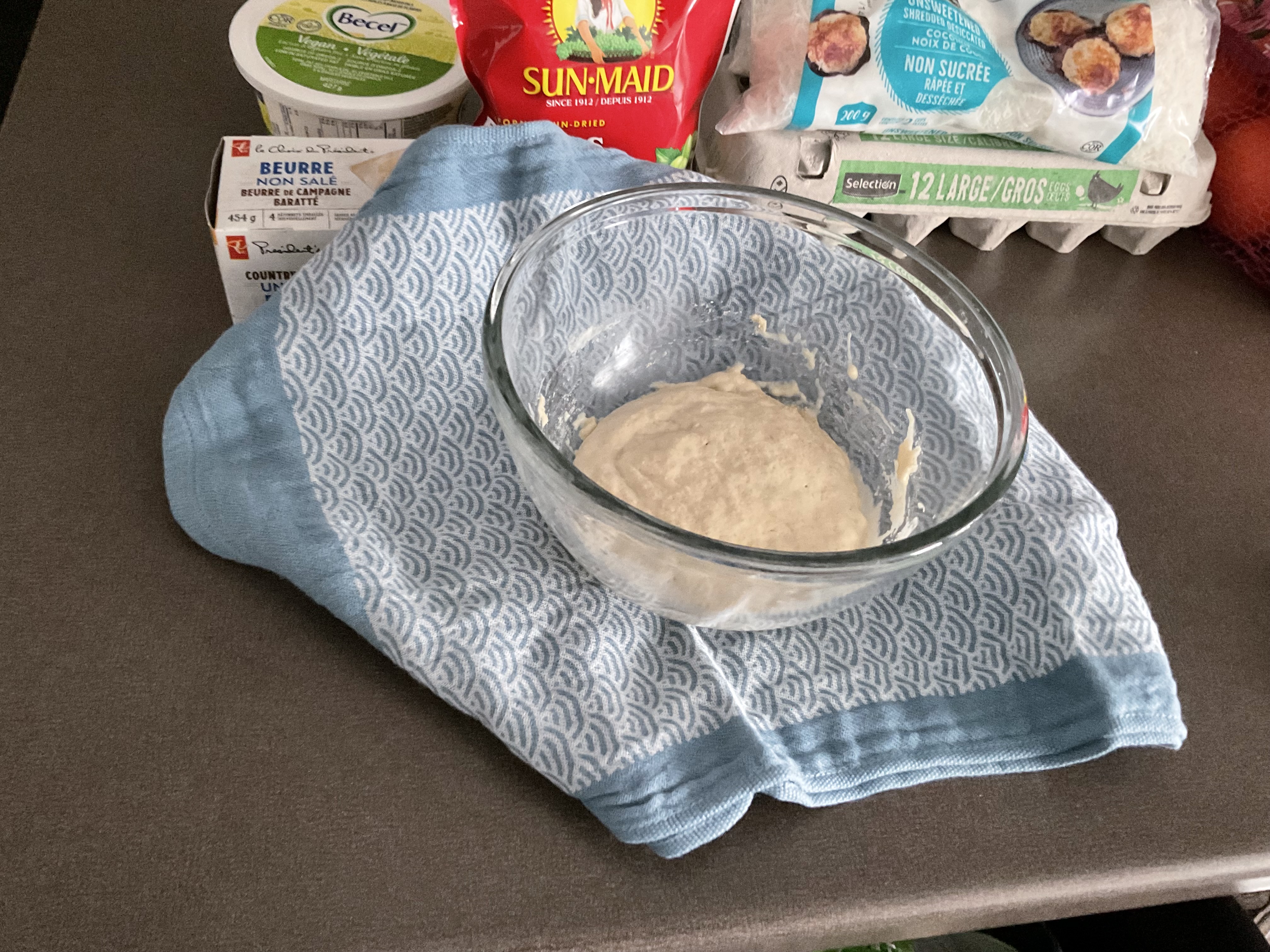
add yeast to warm milk
let sit for 15 mins to 1/2 hour
add flour, nutmeg, salt, cinnamon and brown sugar to a bowl.
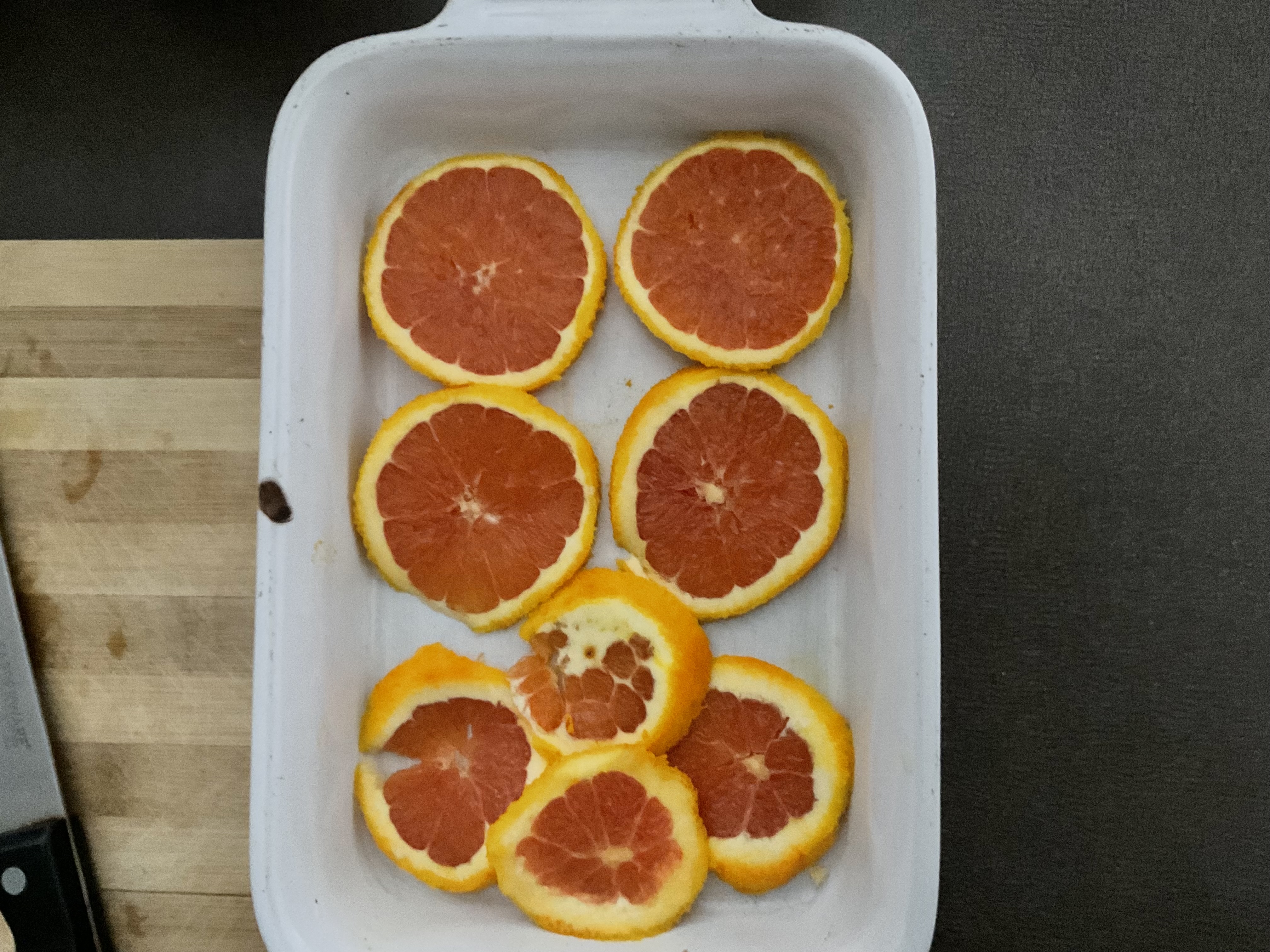
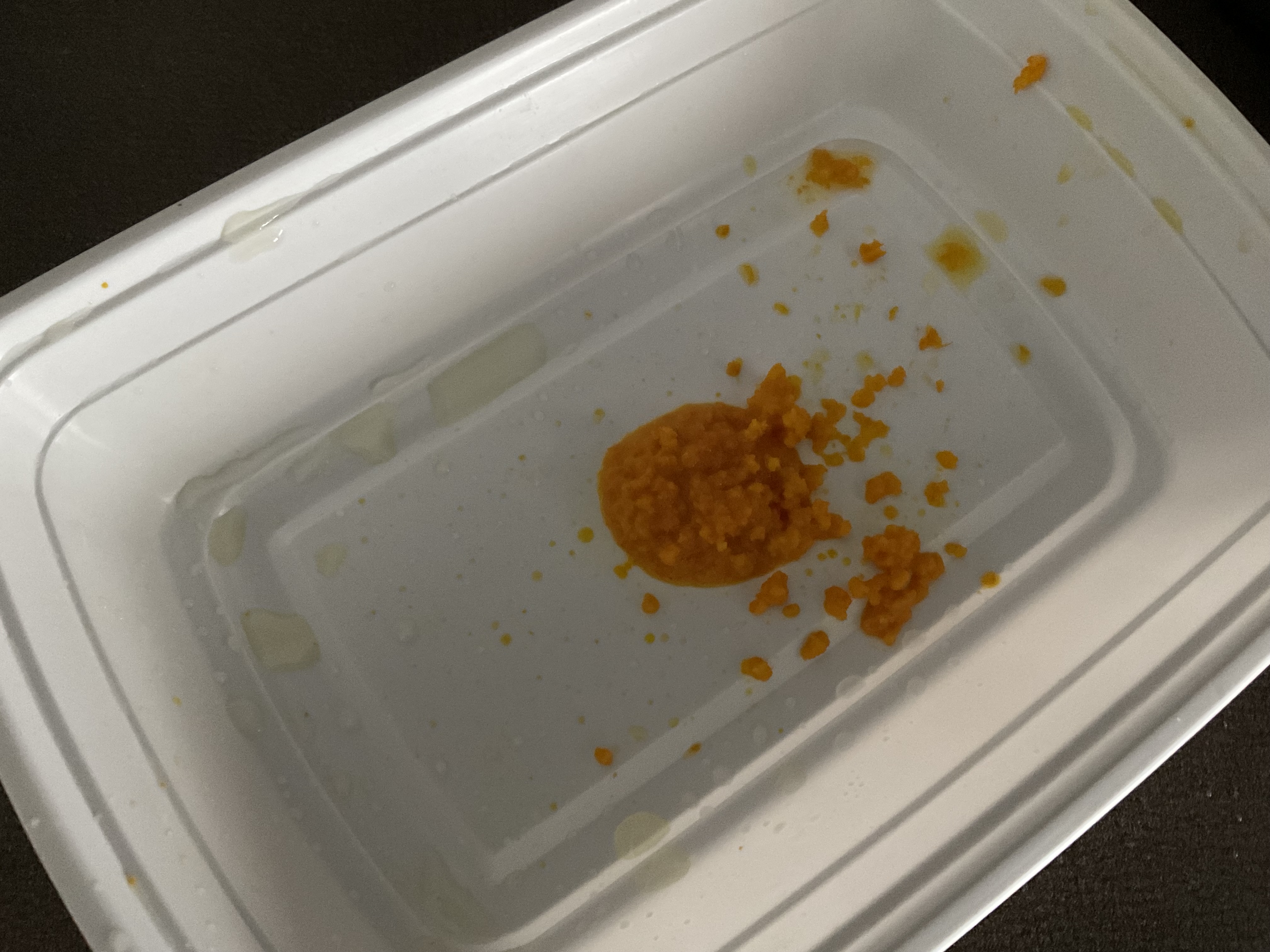
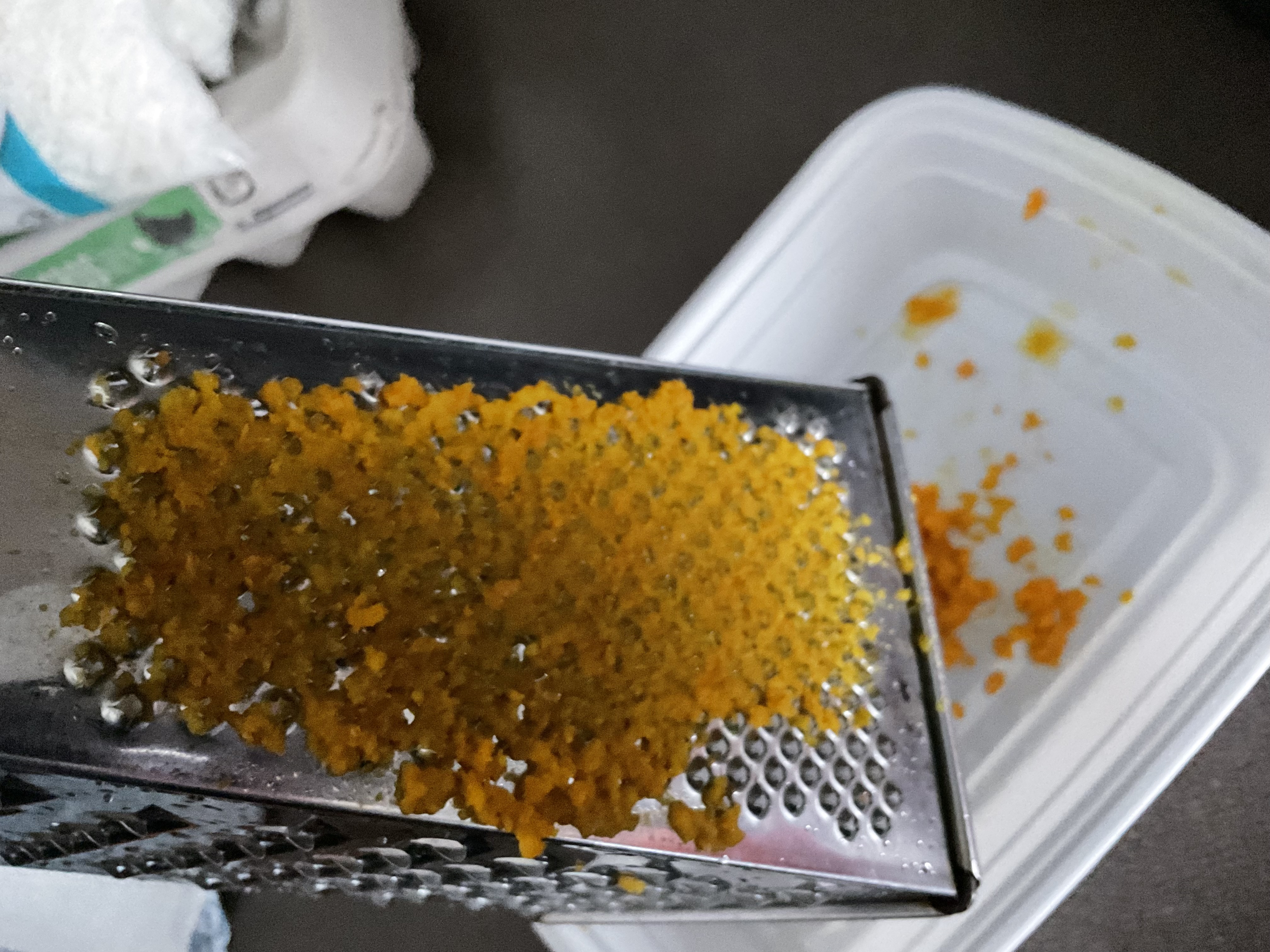
in the meantime, zest the oranges.
Add the eggs and milk with yeast to the dry ingredients and mix with a bread mixer or by hand.
When done mix in coconut and raisins
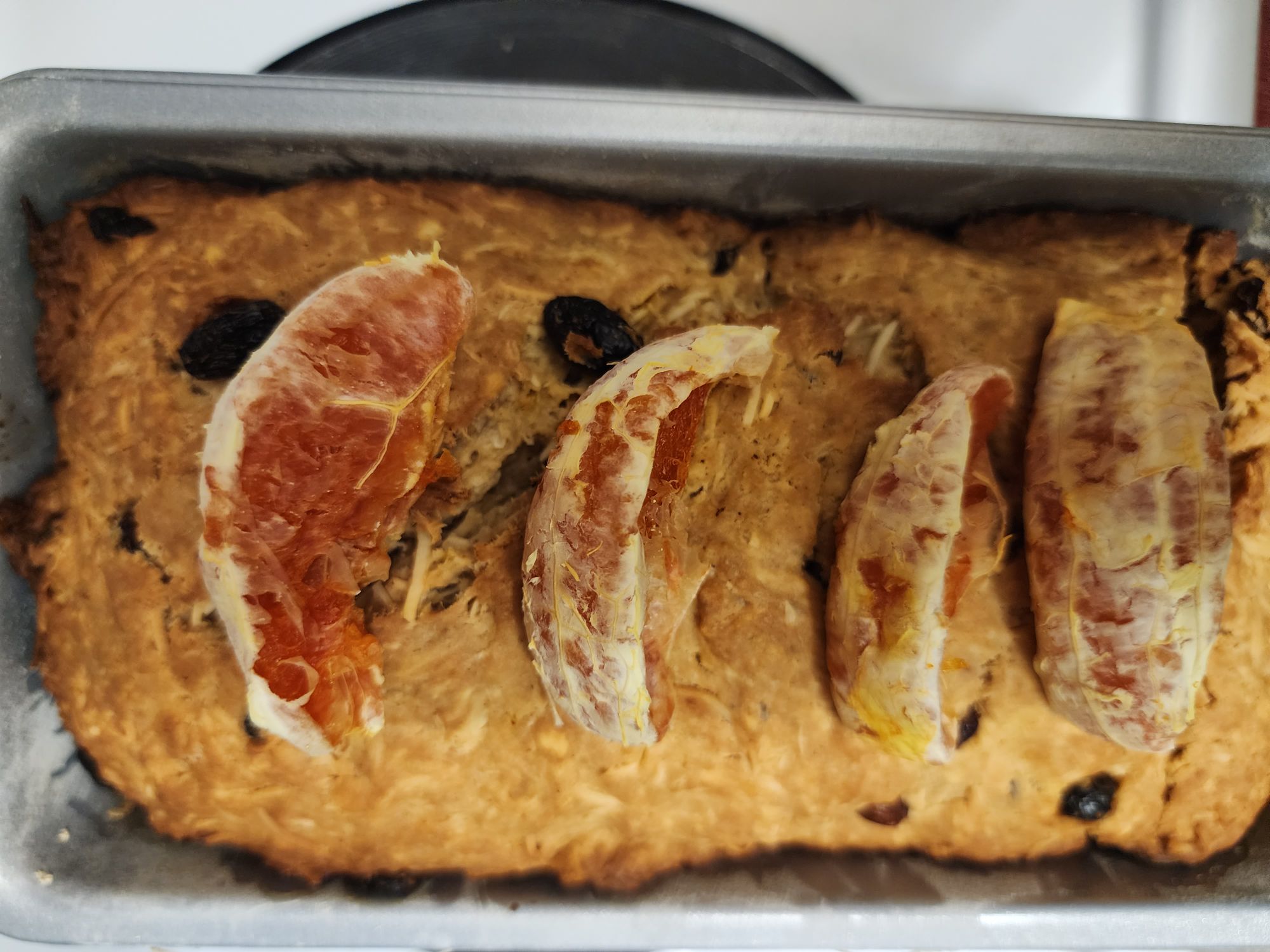
Bake at 350 degrees F for 60 mins.
BAKING WITH SIGOURNEY
I started with honey, distilled water and flour. I did not know what was going to happen to her. Sigourney, a small, pale and ordinary girl, was a normal being. I imagined her to be like the character Ripley, who battles the aliens only to become their mother. At first, I was sure this was easy. I forgot to remove the lid and deprived Sigourney, the sourdough, of air. I had to nurture and care for her to become a funky brown bubbly mom. She has many small ones, day one, day two, day three -you get the point. Finally, today I brought her back to life. I took the sourdough out of hibernation just like in the movie ALIEN. Her offspring were alive and had even gained mold. I looked for the best way to present this colony.
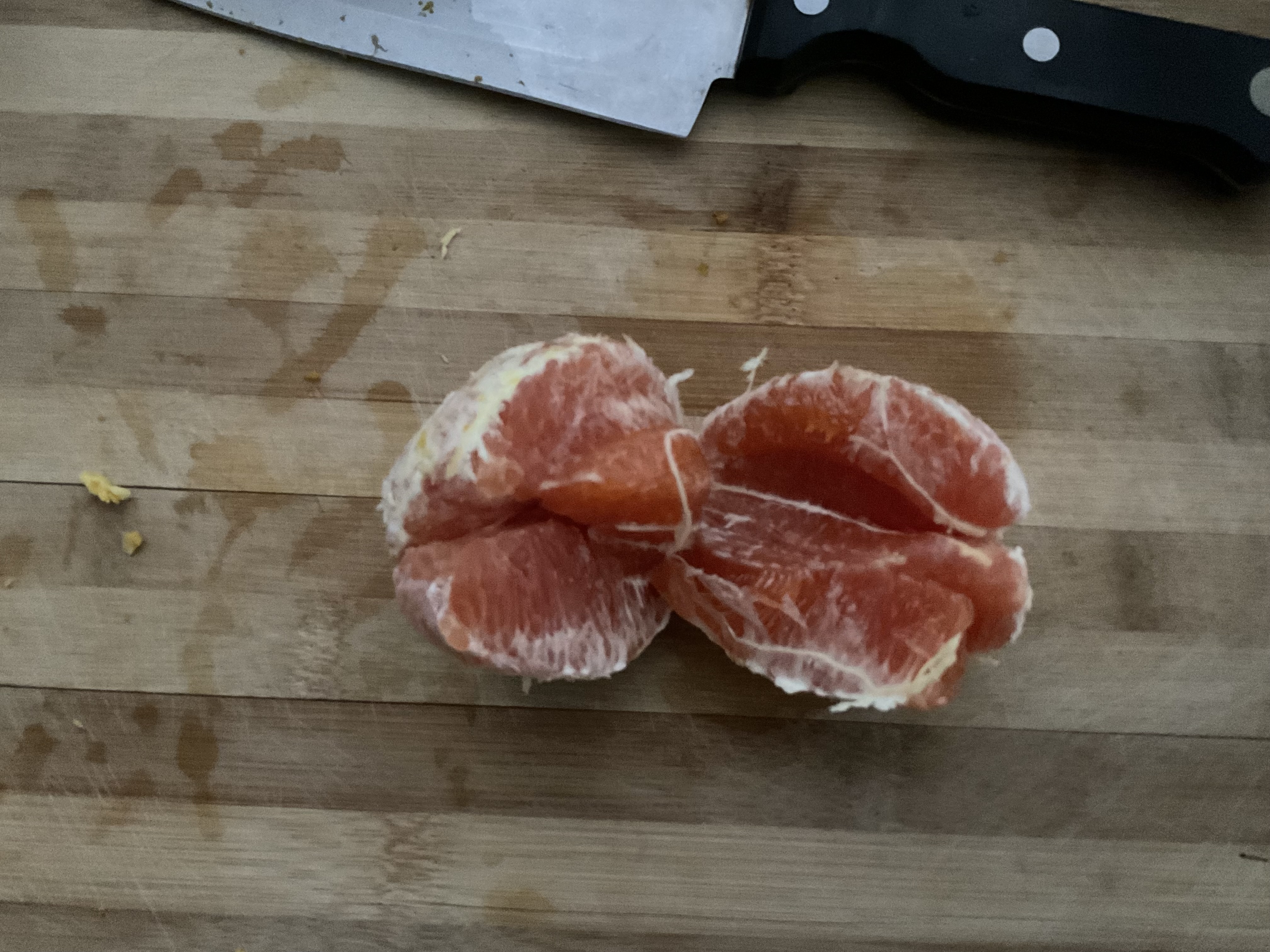
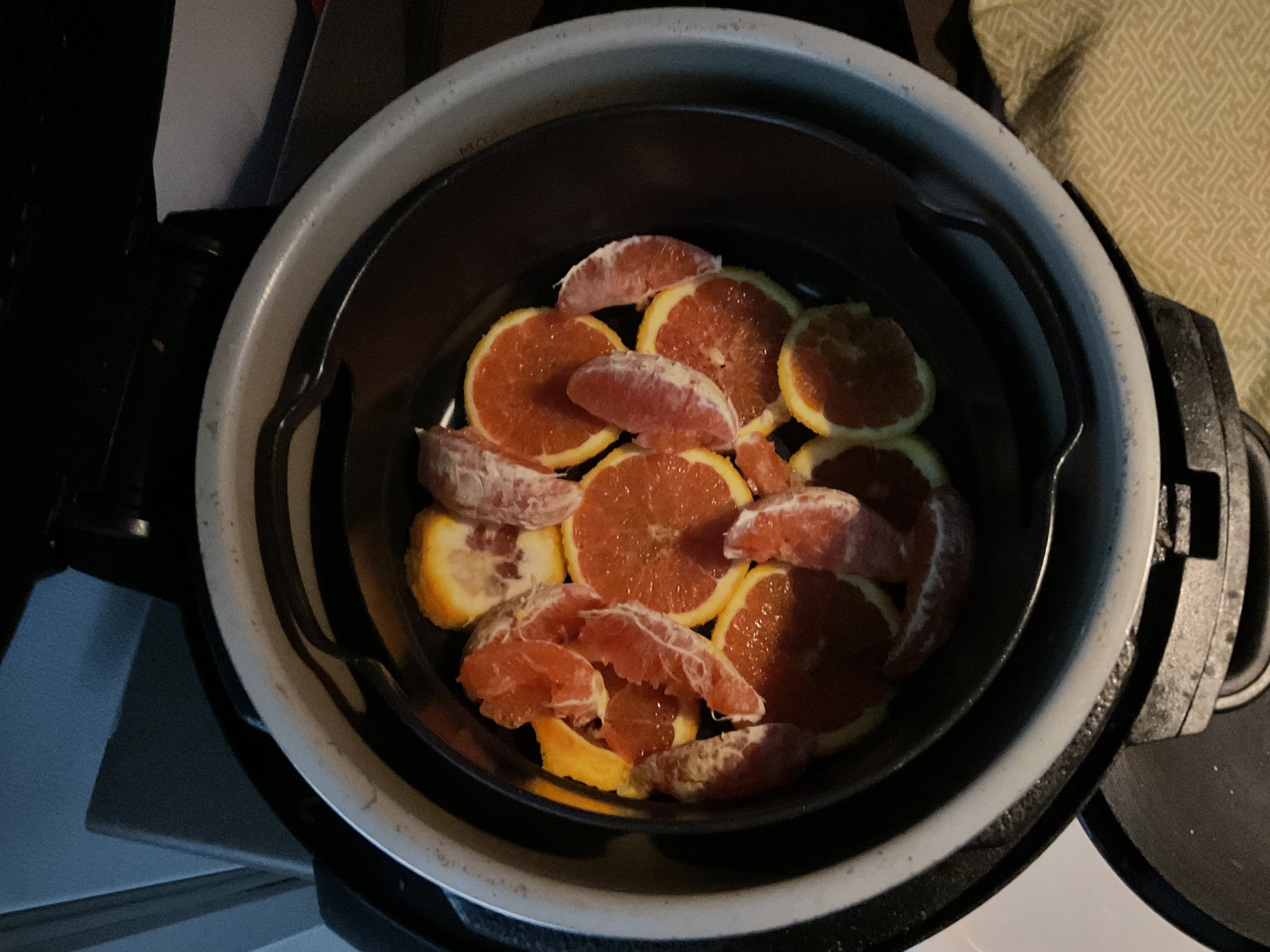
I chose something from my upbringing, sweet bread. I recall having this as a treat with my family when I was a child. My mother spent her Sundays with me, teaching me how to bake. Today, all of that knowledge came back as I used the sourdough, YouTube and what she taught me. It was fun. I zested an orange. It wasn’t because the recipe called for it. I just always wanted to zest fruit as a kid when I baked. My mom would always say: ” Oh, don’t worry about that (zest). We don’t need it.” I always felt let down. Today, I zested, dehydrated, and decorated my sweet bread with fruit. In many ways, this reminds me of my mom and moms in general.
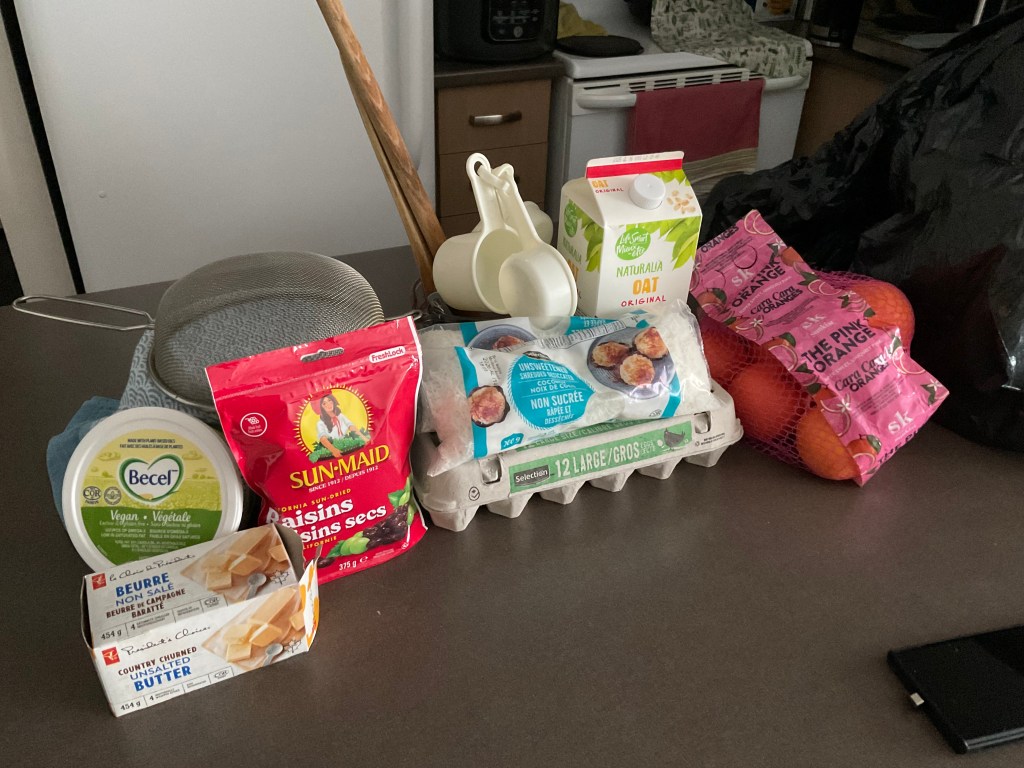
It was difficult to get the ingredients correct. I wanted to make a vegan choice for those who do not consume dairy or eggs. Again, my teaching and experience guided me. I looked up substitutes for eggs, butter, and milk on the internet. Afterward, I calculated the proper amounts to use. I used silk yogurt for eggs, vegan margarine for butter, and oat milk for cow’s milk.
As a result we have two loaves.
Recipe and Ingredients
- 1/2 teaspoon nutmeg
- 2 eggs
- 1/2 Teaspoon salt
- 2 tbsp of active Yeast
- 1 1/2 cups of warm milk
- 1 1/2 cups of brown sugar
- 2 sticks of butter
- 1 cup of shredded coconut
- 1 1/2 cups of raisins
- 4 cups of flour
- zest of 2 oranges
- 1/2 teaspoon cinnamon
SOURDOUGH SWEET BREAD
« I would build frictions as moments of contemplation » Anders Arnqvist
PRODUCTIVE FRICTION
Productive friction—the tension created by differing viewpoints and challenges—can evoke a variety of emotional responses, both uplifting and difficult. While it can drive innovation and personal development, it may also lead to stress. Additionally, frustration or a sense of being overwhelmed may arise. Effectively recognizing and navigating these emotions is essential to gaining the advantages of productive friction while minimizing its negative impacts. (Le Gélard)
Gaëlle Le Gélard outlined why we need friction in a world where design is headed the frictionless route. In making these sweet breads, I had to eat the progeny of my sourdough. The picture next to this paragraph shows Ripley’s stomach expanding. An alien being is attempting to be born. I purposely put this here because it causes us to see birth in a different way. Do all births lead to fruitful and loving beings? No. Do I care for all beings that I have cared for? No. But when we compare what nurturing and mothering are supposed to mean, we trigger that productive friction. If I care for something, one would expect that I should love it. But we eat animals all the time, especially ones that we raise. I guess this is meant to be an ethical dilemma.
Let’s return to what Le Gélard says in her article: The Idea of Productive Friction and the image of Sigourney Weaver as Ripley. Le Gélard discusses the idea of a “Frictionless Cult”. A cult of instantly gratifying frictionless activities that are simple, painless and worry-free. She used the cognitive psychology example of “The Cashless Effect.”
Dilip Soman found that in a cashless society, “The perceived transparency of payment is significantly coupled with the perceived pain of payment.” (2003)
(Le Gélard)
Users of systems like “I’ll pay with Google” are at risk because the network introduces a frictionless payment system. You are willing and capable of paying a certain amount for an item by card or by voice. This happens because you can’t see the money, unlike when paying by cash.”(Le Gélard) When friction is removed as a part of systems thinking, feedback becomes simpler. Still, value is lost. The user does not think of a substitute nor see reasons for making a decision. Thus, values like commitment, accomplishment, reward, and consequences-things that need time and effort-are painlessly absolved.
Going back to Sigourney’s character Ripley giving birth. When Ripley gives birth, it is to the Aliens. At first, she is the only one who does not come into contact with the alien species. She battles them, and we get a sense of fear of the aliens. This fear gives us friction- will she be forced to give birth to a vicious, predatory creature? In facing this fear, we meet motherhood, birth and prodigious predatory colonies. This is a common trope in Sci-Fi flicks. It focuses on fear. It begs a question: “What if we are wrong for our goals as a species?” It is like taking a look in a mirror. We need to look ourselves in the eyes and answer this tough question: What are we afraid of? Where did this fear come from? Are we afraid of our own children or ourselves?
Friction, as Gaëlle Le Gélard puts it, is based on Maieutics. Socrates used the dialogue method to teach his students. Maieutics is “giving birth.” It means that the interlocutor is an active participant in the dialogue, and this way gives her the skills and thinking she needs to critically evaluate a view or a situation. (Leigh, 2007)(Le Gélard) “She will <<“give birth”>>to her own opinion.”(Le Gélard) Le Gélard describes this as a metaphoric ‘dialogue’ between the object and the user. It ensures the user is aware and values the friction as part of an informed decision-making process. (Le Gélard)
This helps us to learn and gain new skills as well as avoid mistakes. In the case of eating my sourdough. I did not think of the decision-making process as a performative designed experience. I would not have learned if it were not for this writing or journal entry. The “sunk cost effect” refers to our unwillingness to pull out of something we have put effort into.(Le Gélard) This effect allows designers to stay motivated. Designers gain value from their labor. This labor leads to love.(Le Gélard)
Embodied Knowledge
In terms of embodied knowledge, I mentioned that my mother holds a place in my heart. She taught me the skills I used to bake the sweet bread. I carry with me the knowledge, my family’s DNA and Sole; just like the Aliens or the yeast colony. When I engage in play, learning, or baking, I trigger these skills and ancestral knowledge. I knew when the bread was done by the smell and the color. I tested the doneness by poking it with a knife. Like a mother, I am aware of the biochemical changes and when it is time for it to be born. Again, “I” am unified in this process as a mother is to her offspring. My embodied knowledge. It “collates memory with experiences from multiple sensory organs.”(Hey) I am to value my effort and offspring as I labor. Eating them is symbolic of a friction decision to understand the value of sustenance- and pain- that labor of love.
“Ferments live and die according to the conditions provided, making it an emergent and context-dependent process. As a result, it requires the embodied know-how and sense memory of practitioners whose cumulative encounters with microbes informs their expertise.“
(Hey)
Contamination as Collaboration
We want friction and contamination when we can learn of gain from it. But, the minute it’s not useful or it causes us pain, we don’t want it. “Worst yet, we are mixed up in the projects that do us the most harm.” (Tsing) Colonization is a two-way street. We don’t get to choose whether we are the slave ( victim) or the master (aggressor). These roles are assigned, and at some point, all ethnicities have been both. It is like biodiversity, the more species there are, the better the chances of survival. “Contamination makes diversity.” (Tsing) Context defines what an ethnicity is, does, was and wants to be. For example, what does the individual’s relentless strategy gain from isolation or non-contamination (sterility)? (Tsing) By definition, an ethnicity is a mixture of people that happens across time and space. ” What does it mean to be ‘Mien’ or ‘forest’?” The identities are part of the histories of “transformative ruin”- new collaborations have changed them. (Tsing)
Contaminated diversity is particular and historical, ever-changing. (Tsing) When we interact with one another, we engage in collaboration. It is impossible to find out the costs and benefits of these encounters for any individual or group. (Tsing) Learning about one another takes time. No book, equation, or individual encounter can define who or what we are to each other. (Tsing) Like the colony of yeast, there is no sterile environment that can guarantee survival. Nor is there one that can condemn the colony to its doom. Contamination is a fluid exchange of moments, places, foods and songs.

 ZOA
ZOA 