
NEGATIVE SPACE
JOURNAL ENTRY THREE
The idea was to make a bio-textile. It was to be made from a bio-degradable ingredient and bio-degradable fibre. Sodium alginate, glycerin, dechlorinated water, and a natural oil were also included.
I thought about making a thin film for photography. So I researched making a resin for a printer and wanted to add proteins to drive a circuit. As an aspiring engineer, I hate coding. I tried to find a faster and more efficient method to make programs, algorithms and materials. I wondered about how oxygen was involved in protein production in cells. I also considered how photons are used to create ATP in plants.
Adenosine triphosphate (ATP) is used to drive the transport of energy in living cells. ATP is produced during photosynthesis in plants and cellular respiration in mitochondria.
When light hits the leaves of plants, the tiny massless particles called photons interact with the molecule known as chlorophyll.

In Photosystem II, the oxidized chlorophyll regains an electron from water, which is split into H⁺ and O₂. Mg (magnesium) anchors the molecule. Over time, this atom can be lost, and the pigment will become brown.
When this happens, the chlorophyll molecule becomes energized. An electron can move freely.
This is the start of the ATP transport chain. Later, I can use this process to make photosynthesis work for me.
For now, I’m experimenting with chlorophyll-based (green) and anthotype (orange) photography to print images with plant pigments. This process uses light to “burn” or bleach away color in a patterned way. This is a KEY to how the leaf’s green color can be used to make an image.
By using the chlorophyll molecule, we can produce color. Chlorophyll absorbs light from the red and blue ends of the spectrum, but reflects GREEN.
We can expose film, paper or leaves to an amount of light for a time and produce an image.
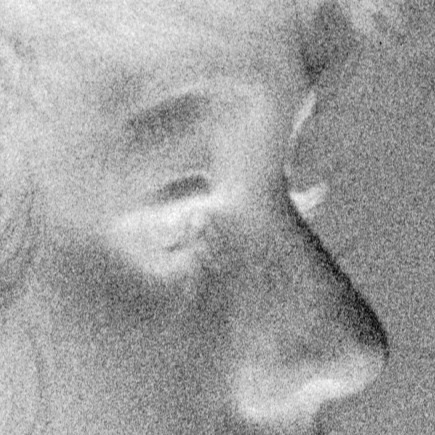
In the image above, the shadows and the highlights, parts that make up the image, are reversed. Dark areas are light and light areas are dark. This is a NEGATIVE.
Because of this, we can make other colors using other types of molecules. Other plant pigments (carotenoids, anthocyanins) create red, orange, and purple hues. We can make a rainbow of colors from organic materials. A FULL COLOR NEGATIVE.
Finished Product


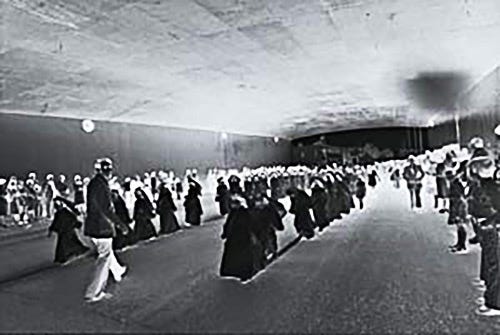
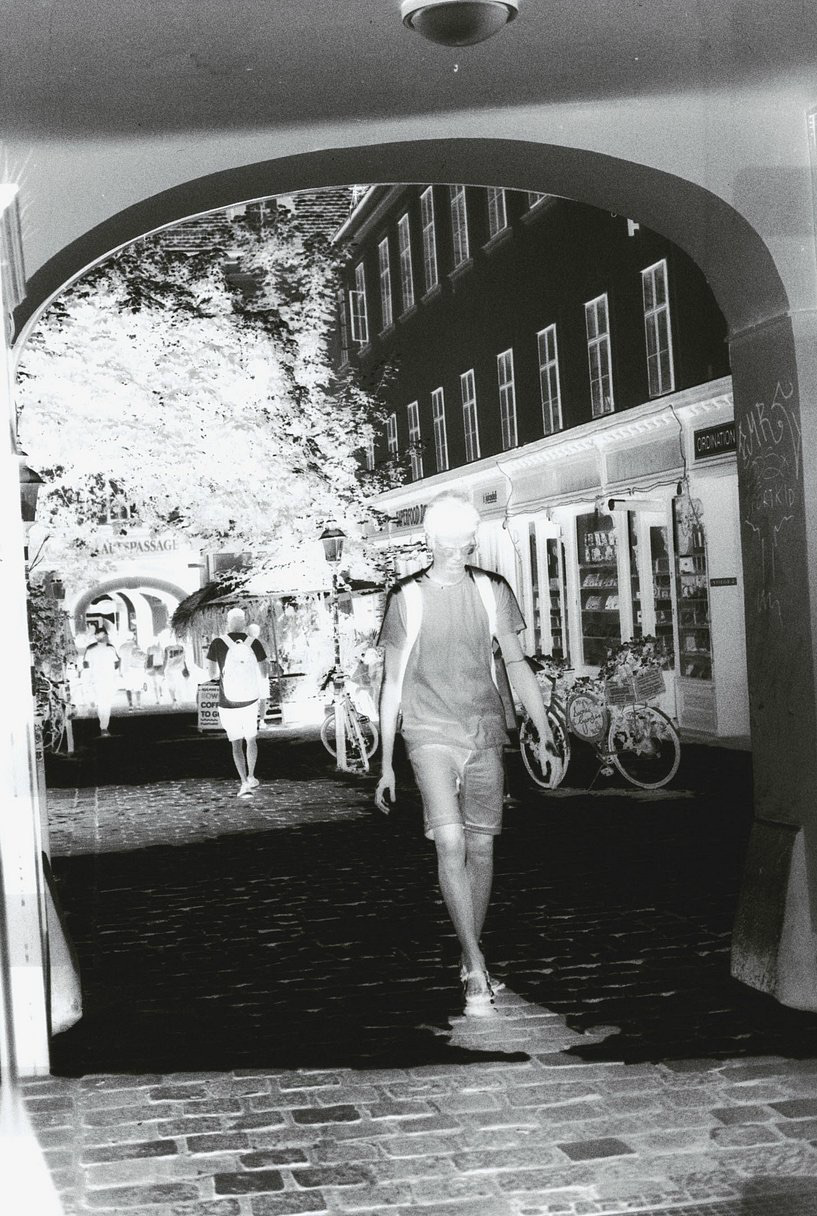
BLACK AND WHITE NEGATIVES
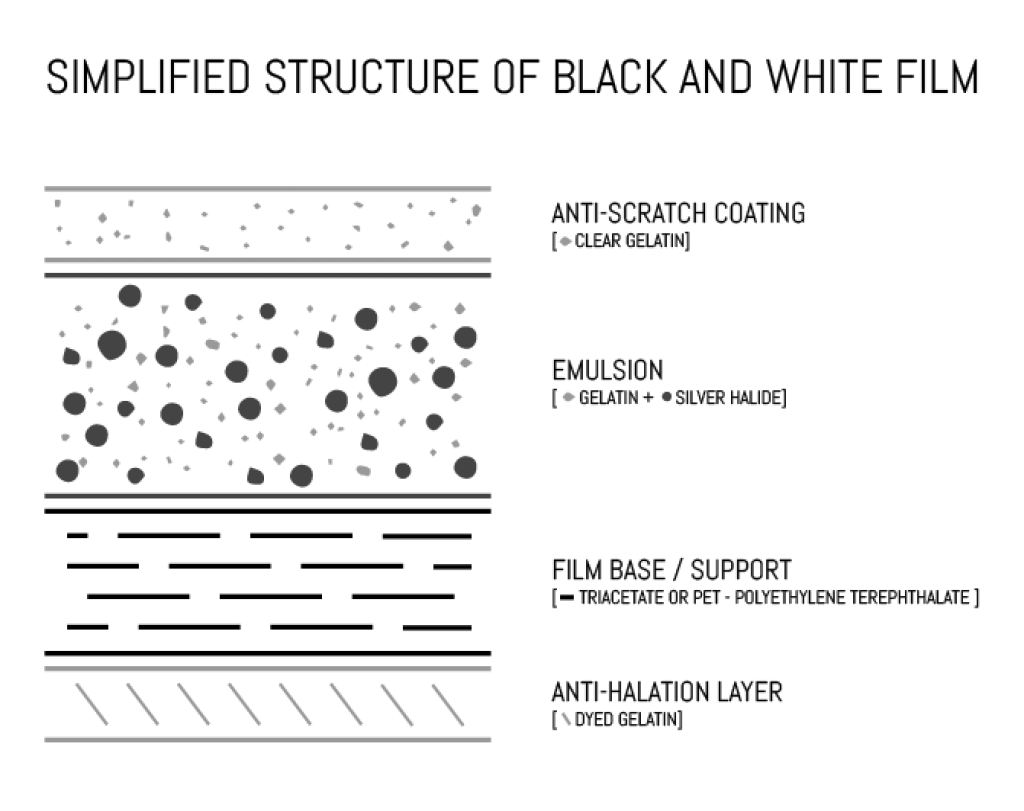
I found out that traditional photography film used silver halide crystals to make images. I wanted to use chlorophyll to make similar crystals suspended in biofilm. First, the film would burn away a protective, darker layer. After that, it would expose the crystals. Finally, I would use beeswax and Damar resin. These materials would protect the film from fading. They prevent UV light from destroying the image.
Damar Resin is plant-based and water-soluble.
To get chlorophyll, I used spinach from my grocery store. Later, I realized that grass, leaves or other greens are easily found in and around my home for free. I used 1 cup of loosely packed spinach. Then I put the leaves into a blender. I added a 1/2 cup of gin to extract the chlorophyll. I let this mixture soak for 2-3 minutes and blended it some more. To loosen the leaves as they were blended, I added dechlorinated water to the solution. To remove the pulp or excess organic material,I strained the mixture with a wire sieve. Voilà! Chlorophyll.
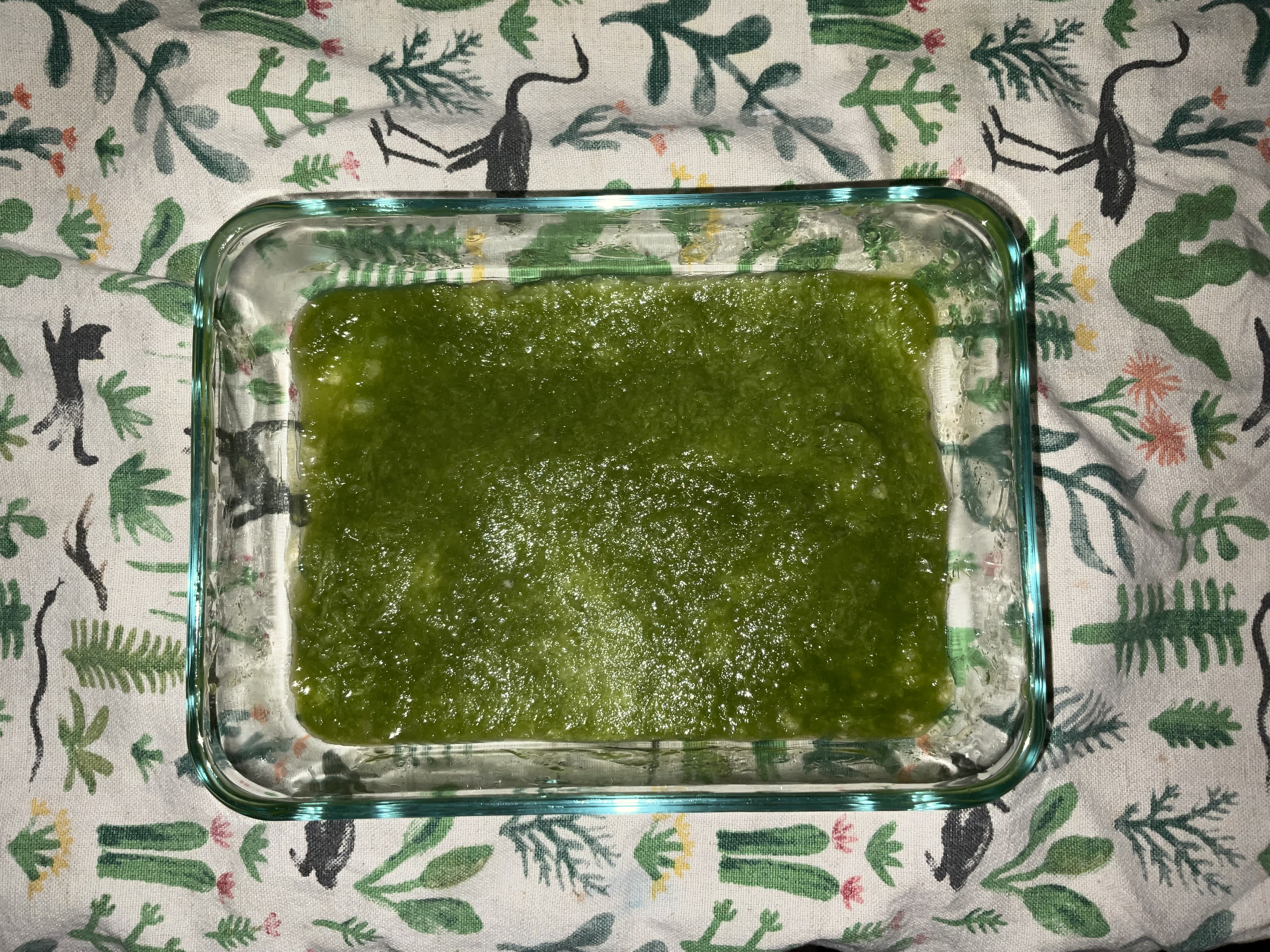
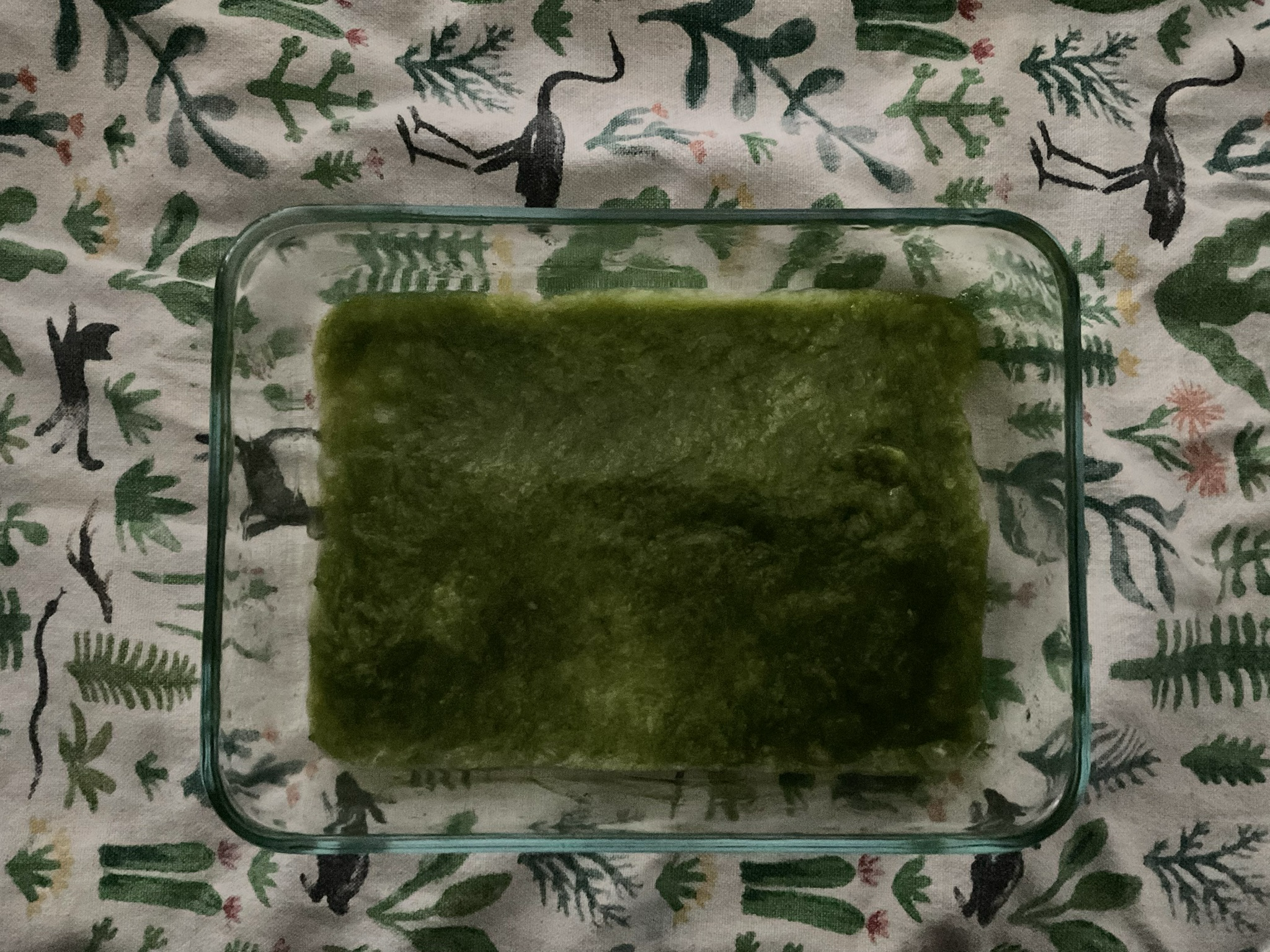
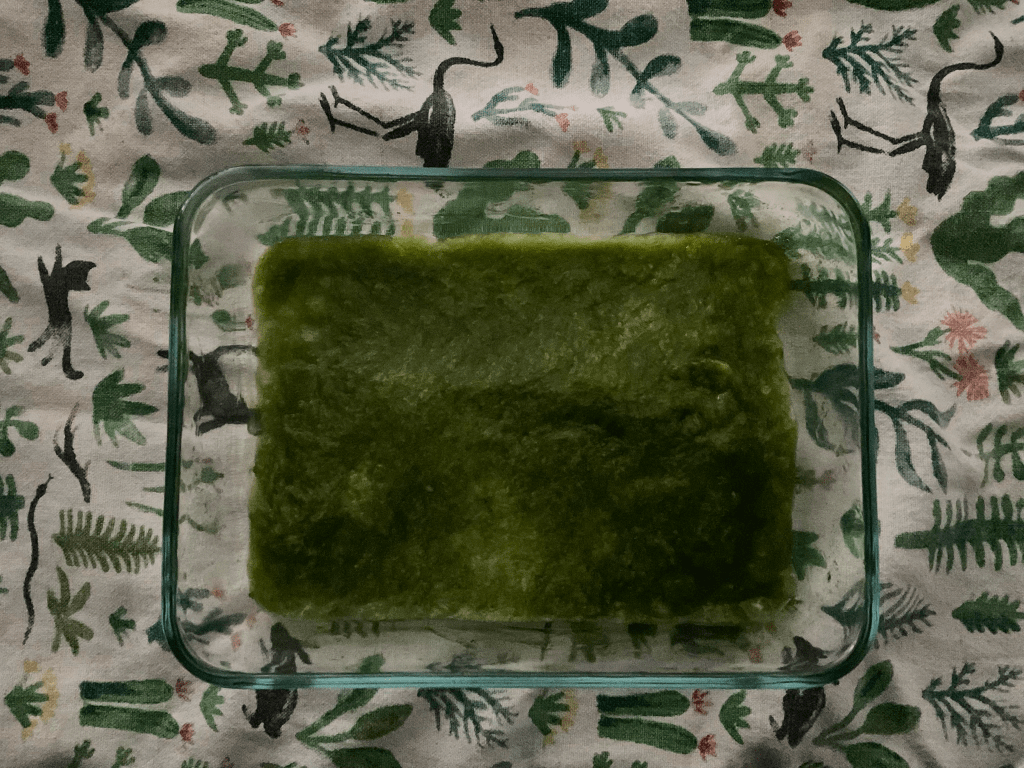
PHOTOSENSITIVE BIO-FABRIC/ film
Ingredients:
Blender or food processor. (optional) you can chop or crush the stuff with a mortar & pestle or a knife.
Strainer or wire sieve. Maybe a coffee filter.
2 g Sodium Alginate – aids in structure and durability
100 -250 ml Dechlorinated Water* – aids in dissolving the sodium alginate, loosening leaves or chlorophyll. used in boiling and washing the cotton. (will need a lot more)
20 ml of 3% hydrogen peroxide or concentrated lemon juice.(do not mix or heat.) Wear gloves!!!!!! -to wash the cotton and purify it or make it white if it is not bleached.
UV or black light to brighten the cotton or cellulose.
1 Cup loosely packed spinach – for chlorophyll, color, and photosensitive layer.
50 ml gin, vodka, ethanol or similar alcohol.
10 g Glycerin – aids in flexibility
5 g – 5-10 balls or 4 pads of Natural Fiber (100% Cotton in this case) – for structural reinforcement
5 g Natural Oil (Coconut in this case) – for softness and flexibility
*water that has been boiled and cooled. You can also use distilled water.
Instructions
1 – Mix spinach and gin together- let stand 2-3 mins. Add this to the blender/ food processor or start to chop and crush with a mortar and pestle.
2- Add 25 to 50 ml of distilled or dechlorinated water to the spinach mix.
3- Blend the mix more and strain off the pulp using the sieve or coffee filter. Keep the green liquid. This is the chlorophyll.
3.5- Wear gloves. Add 25- 50 ml of lemon juice or 3% peroxide to 50 ml of distilled water.
4- Immerse the 100% cotton in the lemon juice or 3% peroxide for 3-5 mins.
5- Wear gloves to wash the cotton with distilled or dechlorinated water.
Repeat 2 to 3 times to remove any peroxide or lemon juice.
6 – Add Glycerin to 25 ml of water
7 – Add sodium alginate
8 – Heat only until bubbles are formed
9 – Add washed natural fibres
10 – Mix in the chlorophyll to combine, (make note of how much of the liquid is made up of the liquid chlorophyll.
11-Adjust the amount of water to make sure the mixture is not too wet.
12 – Spread into a thin layer
13 – Set aside to dry for at least 72 hours. You opt to use a dehydrator on low or in your oven on the lowest setting until dry. For very thin materials, weigh down your textile
14 – Once dry, massage the textile with coconut oil to soften the texture and preserve the material. (optional use Beeswax and Damar)
15 – Let dry for another 72 hours
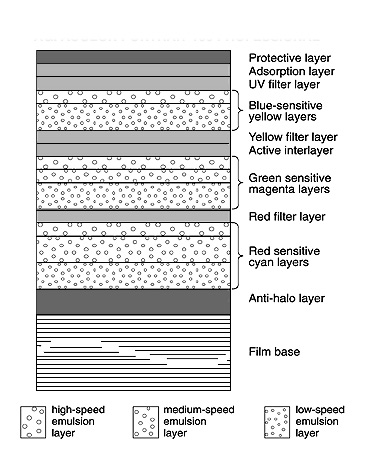
HOW FILM IS MADE
100% COTTON

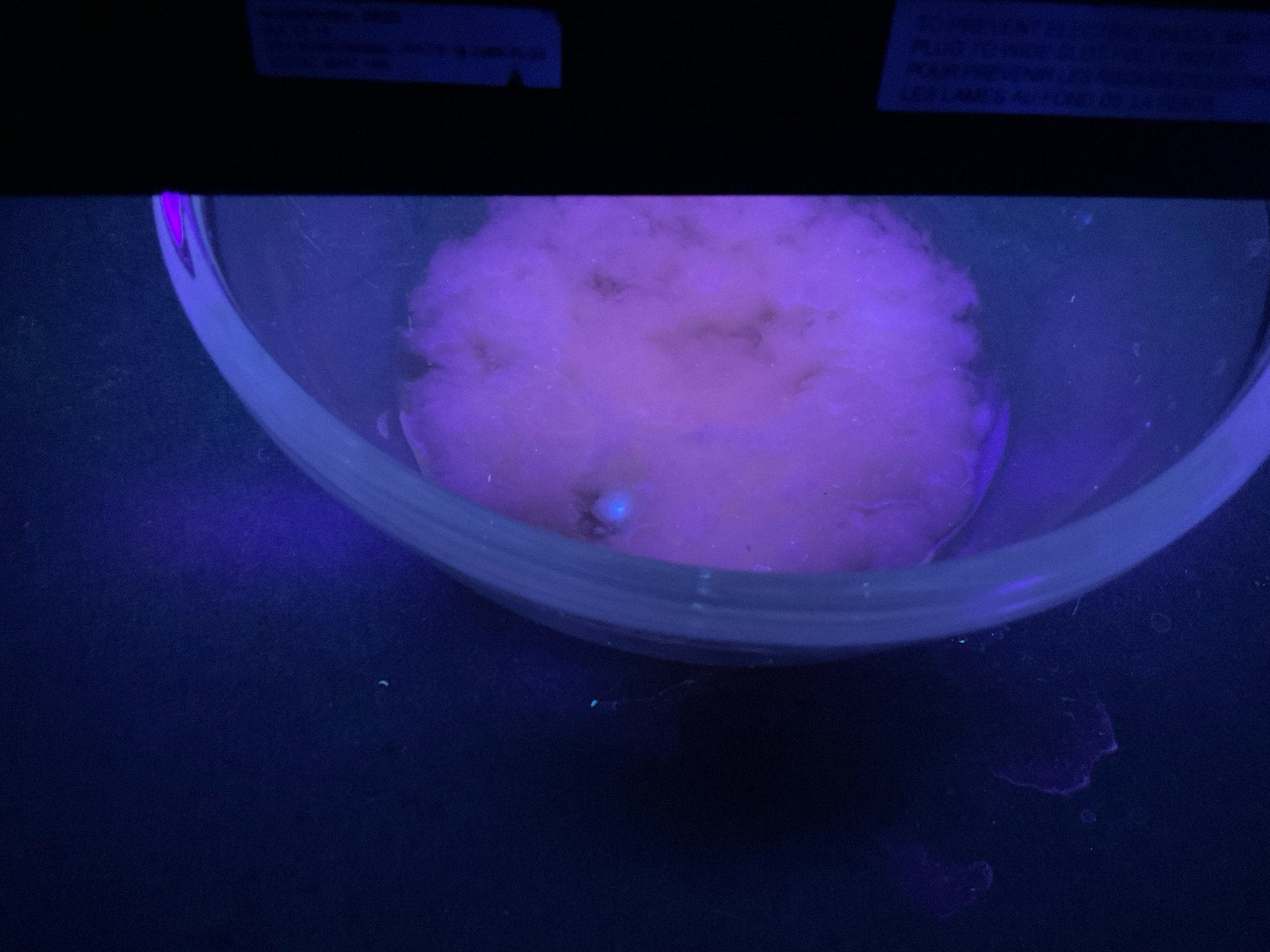
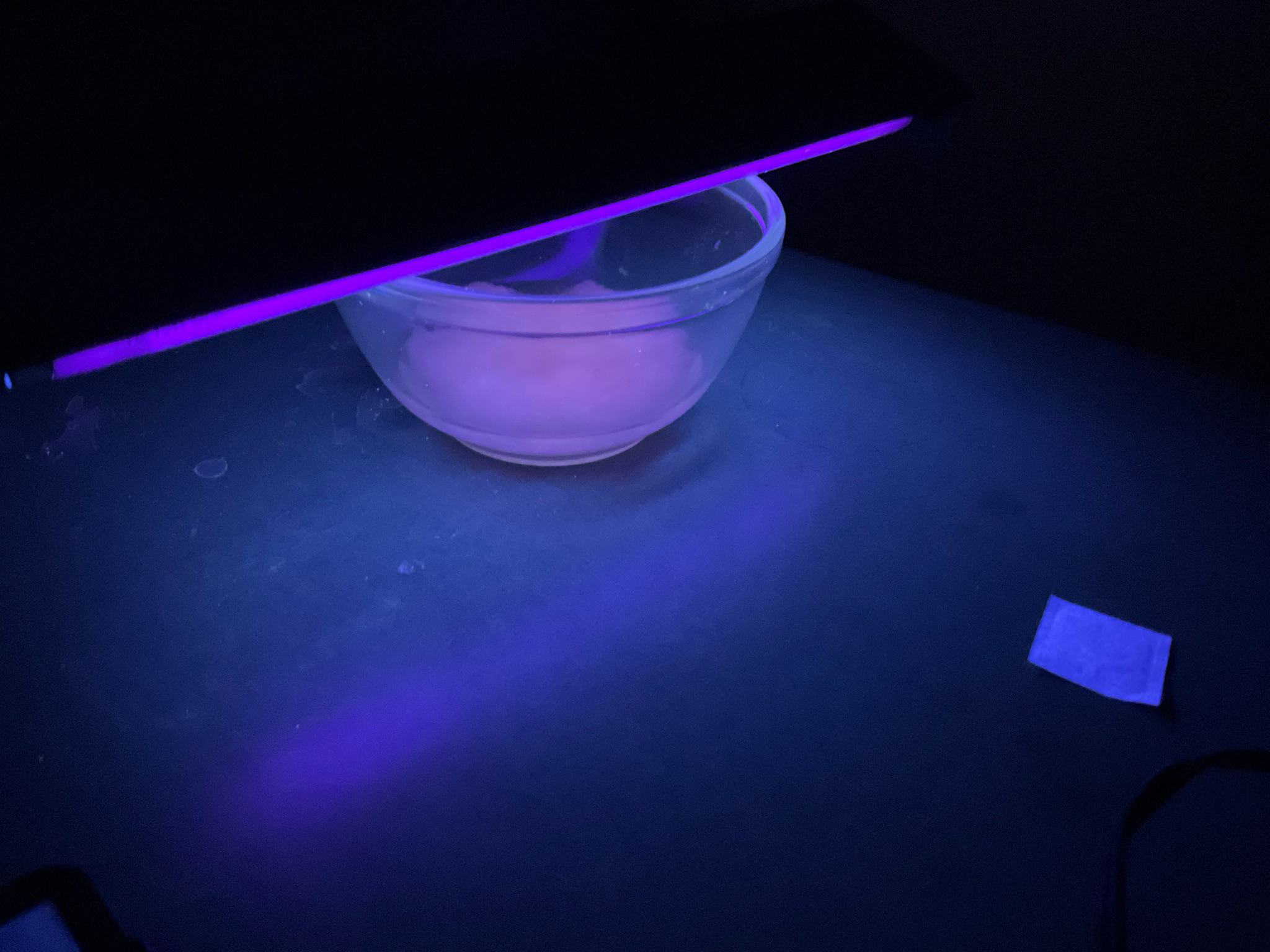
I cleaned the 100 % cotton by washing it in lemon juice or hydrogen peroxide. Then I boiled it in dechlorinated water. I wanted to make the fibers translucent, but the closest I got was to whiten the fibers or cellulose. To whiten the fibers, I needed sunlight or a UV light source. So, I used a black light I had lying around from another art project. At this step, I noticed the extracted chlorophyll residue on the counter.
The CHLOROPHYLL glowed under a black or UV light.
As you can see above, the cotton fibers glowed a faint pink or white under the UV or black light. I decided to use this glow in the chlorophyll or film. The glow would occur when the electrons were excited by the frequency emitted under black light.
I want to create a bio-hybrid circuit like the chemicals found in neurotransmitters. I will use a chemical that replenishes the Mg atom when the chlorophyll loses the central Mg ion.
In ionization, the electron attached to the Mg atom moves to a higher energy state.
Mg —> Mg2+ + 2e–
Mg → Mg²⁺ means:
(Chemistry LibreTexts)
Magnesium loses 2 electrons and becomes a Mg²⁺ ion, a stable form that’s common in biological and chemical systems.
When the electron moves to a higher state, it is excited but can be completely removed from the atom. Ionization polarizes the molecule, like a magnet that has a north and south pole.
The lose of the central Mg ion turns the chlorophyll into pheophytin- a dull brown pigment. By replenishing this Mg ion the pigment can go from brown to green or just stay green. Think of this like a light switch or the pixels in a screen.
When a leaf is attached to a plant or tree-we don’t see this change, unless the plant is dying. Still, while the plant is alive, the chlorophyll is maintained, and the central Mg atom does not ionize. Thus, the plant’s leaves stay GREEN.
As well, If there’s no electron acceptor, the electron may fall back to its original energy level. The excess energy is then released as fluorescent light, often red light in the case of chlorophyll.
BTW ALL OF THE ANSWERS TO THE QUIZ WERE INDEED TRUE.
Any range of colour can be expressed, including fluorescent.
Finally, by using this process, I can make a:
- TOUCH SCREEN
- NEGATIVES
- PIXELS
- FILM
To understand this further, please see my MIT open course wares learning page or JOURNAL ENTRY THREE (p-Orbitals)
Finally I would like to make a bio-camera using the shells of Chiton’s. They are sea creatures that have eyes all over their bodies. We can use these ZOA to understand how nature makes eyes, especially exotic-looking ones. The Chiton’s eyes are on their shiny and Iridescent shells.
✨ Iridescent (adjective)
Definition:
Displaying luminous colors that seem to change when viewed from different angles — like a soap bubble, peacock feather, or oil slick.



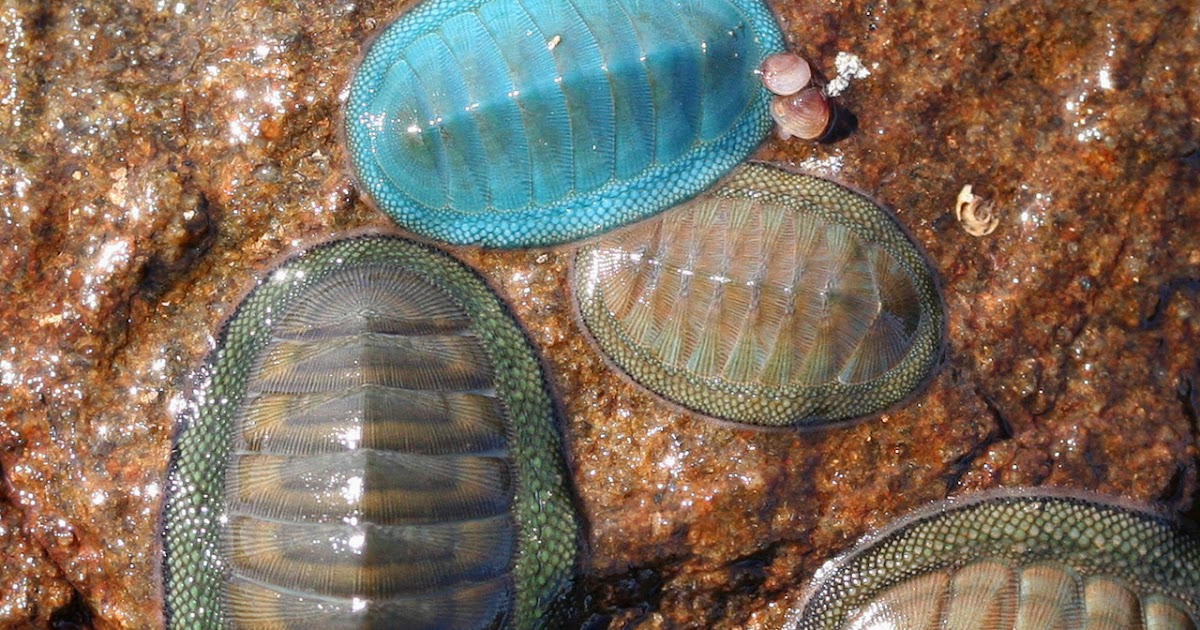
Looking at this old Polaroid camera, I see potential. The possibility of making the instant film that this type of camera uses. I can make the camera body look like a sea creature, and the lenses like the eyes of the Chiton. The camera would be biodegradable and a refreshing break from a traditional camera.
In response to Maya Hey’s -Fermenting Communications
I used chlorophyll. In its presentation, chlorophyll exists in the leaves of green plants. It does not look like anything to people. I walk by the trees and plants every day and do not consider the existence of chlorophyll. I should have realized its importance. I took a biology class and examined its purpose. I also studied its relationship to the environment in detail. I was excited about its existence. It moves energy in the form of electrons from the leaf to other parts of the plant. This process drives photosynthesis.
Humans can gain from the photosynthetic process in many ways. Increasing the number of plants and trees would mitigate human impacts. These impacts include burning fossil fuels, releasing greenhouse gases, and reducing biodiversity. Leaves cover most of the plants and trees to increase the amount of light they can absorb. By absorbing light, plants store energy for photosynthesis. As well, during photosynthesis, plants release Oxygen and absorb Carbon Dioxide. Yet it is an anthropocentric point of view-“we need forests because they provide for us.” But, we could take an Ecocentric view-“Forests are valuable for all species, not just humans.”
Trees are used in the homes of many species, including humans. Life on Earth depends on biodiversity. If we increased the number of trees, we would help to give those species homes. We would also increase the number of species in an ecosystem. By this one fact, we would create a more resilient ecosystem. Diverse ecosystems can better withstand and recover from stress like climate change. Variance in species complements each other and allows functional redundancy– if one fails, the others can take over its functions.
Forests, wetlands and microbes in the soil filter pollutants, purify water, and regenerate air quality. Crop diversity prevents total collapse from pests or diseases and allows for adaptation to changing climates. Bio-diverse ecosystems offer pollinators, pest control, and soil fertility services, for example Mycelium, vital to food growth. This is a refreshing change from agricultural practices that seek to overuse clear-cut land for one purpose.
Many life-saving medicines come from plants, fungi and animals. So, biodiversity is an untapped biological library for finding new drugs, antibiotics and treatments. By clear-cutting, we destroy these libraries, homes, food, species and medicines. Forests and oceans store carbon, healing the planet from the effects of climate change. So we need to plant trees and plants. In class, we noticed that most of the trees planted are males. Which do not bear fruit-they need female trees to do so. I don’t think food production levels are correct. We don’t need more food, just better distribution and access.
Due to artificial fertilization, the number of humans on the planet is ridiculous. My biology teacher said, ” Because of fertilizers, we have increased food production way past the natural threshold. We exceeded the Earth’s carrying capacity in the 1700 to 1800s.” So we think we can carry more people, but actually we are past the limit. This also increases our consumption of natural resources and anthropogenic effects. Of course, the need for housing keeps rising, and we keep increasing the number of humans.
Of course, we don’t want female trees or food to actually be useful either. If people are trapped and need to buy food, it fosters dependency. We also love money. Leveraging systems is actually one thing humans excel at. We can colonize and think abstractly. Still, we rely on this too much- look at capitalism. By using resources and people, we think we can overuse and just take. I disagree that capitalism is the problem, though. The real problem is our need to over-organize. We want everything to fit neatly into a box or look pretty. This is actually a part of our abstract thinking. We need to imagine and see that imagination fulfilled. Just stopping capitalism will do nothing. We would just reform another system and another until it gave us more or reflected our needs. In fact, capitalism was intended to reduce prices and make things fair.
💰 Capitalism — Definition & Overview
“Capitalism is an economic and political system where:
- Private individuals or businesses own the means of production (factories, land, services, etc.). (Stanford Encyclopedia of Philosophy).
- Goods and services are produced for profit, and prices are determined by supply and demand in a mostly free market. (Stanford Encyclopedia of Philosophy).
- Wealth, labor, and resources are organized through competition and private ownership, rather than state control.” (Smith) (Stanford Encyclopedia of Philosophy)
🏛️ Historical Context:
- “Capitalism emerged in early modern Europe (roughly 16th–18th centuries), evolving from:
- Feudalism (where land was owned by monarchs/nobility and worked by peasants), (Heilbroner; Hunt and Lautzenheiser)
- The rise of mercantilism (state-controlled trade for national wealth), (Heilbroner; Hunt and Lautzenheiser)
- And the growth of urban markets and banking during the Renaissance.” (Marx and Engels)
- Karl Polanyi emphasized that capitalism separated economic activity from social and moral considerations, leading to instability and inequality (Polanyi)
Humans needed a system to organize our production and consumption of food and produced resources. Notice, at the same time, we were -all of a sudden- capable of seemingly producing unlimited food. We used our abstract ability to organize the systems of production through money. This is where things start to really go wrong. We can use money when we have food or an object. We can also use money when we do not have these objects. This allows us to store and consume more. By itself, this is not a problem. But humans see life as a self-perpetuating cycle. For example, passing on Gigi as a form of memory. Even Maya invented a way to have yeast live on. When humans want to produce a car, we invent new ways to generate wealth or get more resources. Others think the same when they leverage insurance or savings. Humans aim to pass more resources to future generations, with generational wealth as an example or technology.
Finally, humans have lost sight of the purpose of money and leveraging resources. We need more due to the number of people, and thus need to produce more. Quotas and numbers, again by themselves, are not the problem. Yet, we use these metrics to increase production or profits. Capitalism and fertilization were not intended to be used in these ways. Again, even if we stopped using profit or fertilizers or as a motivation humans will find new ways to achieve their ends. Humans would invent a new means to get that rocket made to reach Mars. By being too abstract, we also limit the capacity of the planet, people and other species. We can leverage things, but within reason. We can think outside the box, but remember the planet and others.
In terms of chlorophyll, we can’t see the forest for the trees. Our focus needs to return to what we can sustain. This is why I named the project negative space. We need to be abstract. We need to share space. But we need to use this un-subjugated or objective space to overcome our own negative tendencies. While we stay subjective and abstract, we can use the empty space to restore nature, family, biodiversity and play. We can limit the overuse of space and see the balance between the subjective and objective.
In her article, Maya quotes Davis Szanto:
“food must not be understood as an ontologically fixed object but should instead be considered as lively, complex, and intersubjective. These three axes render a more nuanced understanding of how food interacts: “performativity helps reveal the dynamics of food milieus in non-causal, non-linear ways—that is, as complex and continuously
emergent states of interaction.”11
Here, the use of space as axes is employed. Non-linear interpretations objectify the performative. This serves as a method of intersecting positive and negative places. The use of “intersubjectivity”— how individuals co-create meaning through communication, experience, and social norms- is seen as a more nuanced, dynamic concept. It is “a complex and continuously emergent state of interaction”. Similar to my approach to the negative space as not separate or more than juxtaposed against the topic or focus. The negative space is a place for definition and openness. It offers a pause from relentless reasoning and intention. We need breaks from our overuse of systems and processes. Humans can put a tree in a particular place to negate anthropogenic activities. However, (breaking with tradition) we can allow the spaces between the trees to be for play. This space can also serve as an abstract place. It can offer a space for an invisible or non-subjective narrative to unfold. It is a place for our imagination to grow.
Then she says: “Thus, the biotic and abiotic factors of fermentation prevent it from being a consistent, standardized process. Ferments live and die according to the conditions provided, making it an emergent and context-dependent process.”
(Maya Hey FERMENTING COMMUNICATIONS)
The context defines meaning. Humans can be abstract yet concrete. We are allowed a place to define and contextualize the meaning and the space. While processes seem state-driven and definite, the opportunity exists for “emergent and context-dependent” processes. As such, the positive space or negative spaces are emergent. The binaries swap places, and the meaning of the space is defined as part of the process. Rooms of imagination and nature can be symbiotic and chaotic or parasitic. As such, the forest and trees can be computers and playgrounds without compromising our survival. On the other hand, we can still destroy the planet. We can see the difference now. That way, we can see the forest, the trees, and the space in between.
 ZOA
ZOA 